The Ro-Ko Effect: Why India Is Playing More ODIs Than Originally Scheduled”
5 Shocking Reasons the Ro-Ko Effect Is Expanding India’s ODI Schedule
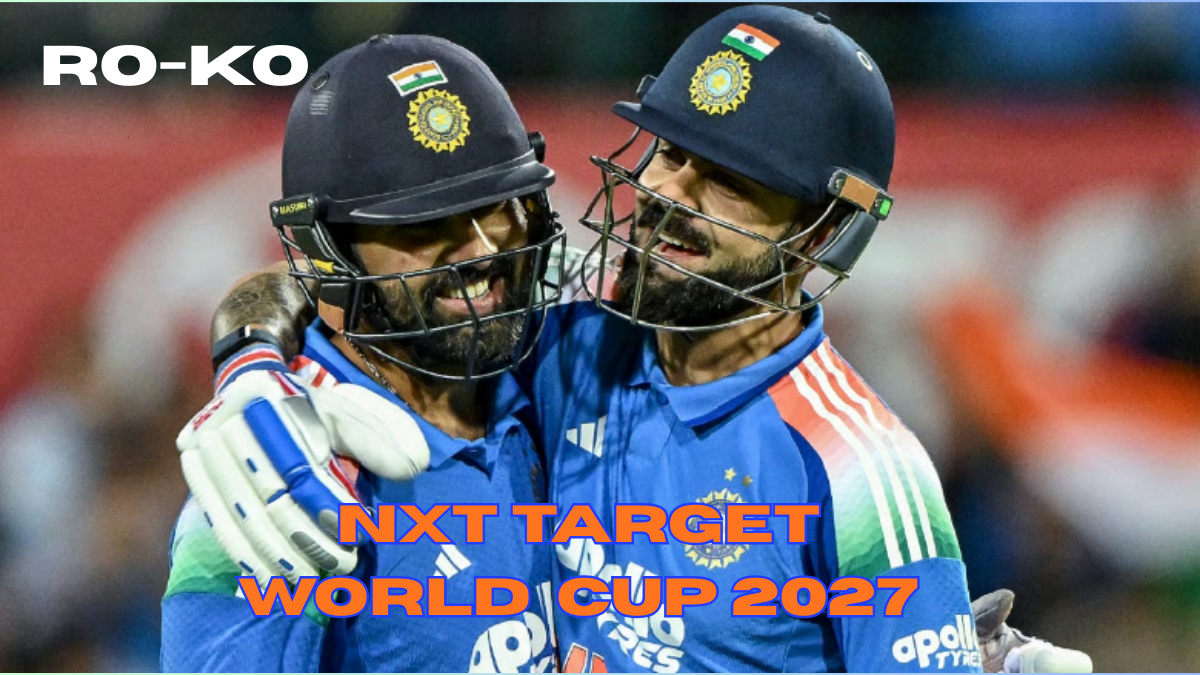
Rohit Sharma and Virat Kohli—collectively known to fans as ‘Ro-Ko’—form one of the most successful opening pairs in the world of cricket. For Indian fans, watching these two bat together is nothing short of a dream come true.
Since ‘Ro-Ko’ have now retired from T20 and Test cricket, they are rarely seen on the field; their appearances are limited to once every few months, specifically when an ODI series is scheduled against another team.
The popularity of Rohit and Virat is so immense that fans often stand in queues outside stadiums for hours just to catch a glimpse of them. Consequently—driven by the Ro-Ko effect—the BCCI has issued a significant statement regarding Team India’s preparations for upcoming ODI series.
Following their T20 World Cup victory, the Board has now set its sights on the 2027 ODI World Cup, with the firm objective of winning it at all costs. Given the crushing defeat India suffered at the hands of Australia in the 2023 World Cup final, the team’s ambition extends beyond merely maintaining its dominance in T20s; the aim is to excel across all formats of the game.
Star batsmen Rohit Sharma and Virat Kohli have set their sights on the 2027 ODI World Cup, and both cricketers are currently immersed in their preparations for the tournament. However, in light of their immense popularity, cricket boards from various nations are now requesting the BCCI to increase the number of ODI matches included in future tours.
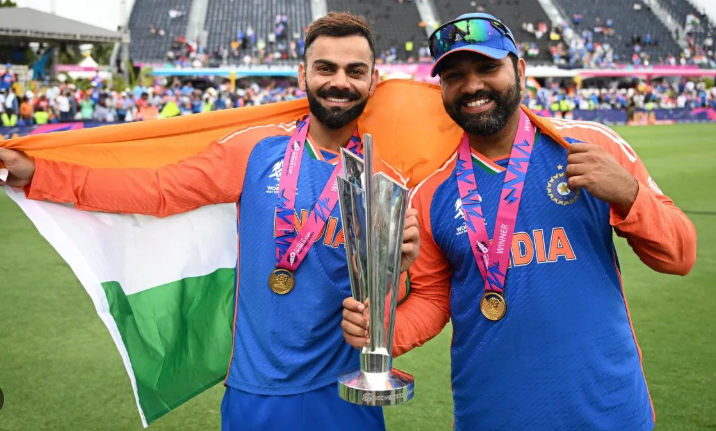
If the BCCI adds additional ODI matches to its Future Tours Programme, Team India’s schedule over the next 12 months will become even busier.
According to reports, following New Zealand, England, Sri Lanka, and Ireland have now also requested the BCCI to increase the number of One Day International matches. It is noteworthy that after winning the 2024 T20 World Cup, Rohit and Virat retired from this format; they were last seen playing together in a home series against New Zealand, having previously participated in the Champions Trophy.
The ‘Ro-Ko effect’ enjoys an immense craze among Indian fans. This duo will be seen together once again in IPL 2026—with Rohit playing for the Mumbai Indians, while Virat represents RCB.
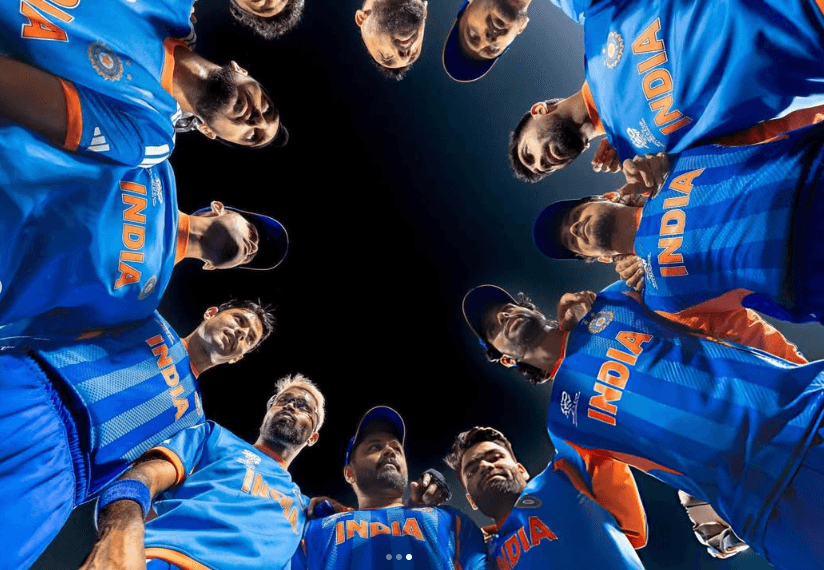
Team India Schedule 2026
- Afghanistan Series – Immediately following IPL 2026, Team India will play a series comprising one Test and three One Day Internationals against Afghanistan on home soil.
- England Tour – Subsequently, the team will embark on a tour of England, where they are scheduled to play three One Day Internationals and five T20 matches against the hosts.
- Ireland Also Keen – During the England tour, the Cricket Ireland Board is keen to host a three-match ODI series against the Indian team, allowing local fans to witness the magic of the “Ro-Ko effect” firsthand; these matches are likely to take place in July.
- Sri Lanka Tour – Following the tour of England, India is scheduled to play two Test matches in Sri Lanka. The Sri Lankan Board has proposed including a Day-Night Test and several limited-overs matches in this tour itinerary.
- Uncertainty – Uncertainty currently surrounds the T20 series against Afghanistan in the UAE (scheduled for September) and the subsequent tour of Bangladesh, stemming from Bangladesh’s boycott of the 2026 T20 World Cup.
- Asian Games – The Asian Games are scheduled to take place in Nagoya, Japan, from September 19 to October 4, an event in which the Indian T20 team will also participate.
- Series Against West Indies – The Ro-Ko effect will once again be on display when the Indian team plays a home series against the West Indies in September, comprising three One Day Internationals and five T20 matches.
- New Zealand Tour – In October, the Indian team will tour New Zealand, where they are set to play five ODIs, five T20s, and two Test matches. The number of matches in the ODI series has been increased from three to five—a decision also attributed to the Ro-Ko effect.
- Home Series against Sri Lanka – In December, the team will play three One Day Internationals and an equal number of T20 matches at home against the Sri Lankan team.
- Border-Gavaskar Trophy – The Border-Gavaskar Trophy will be played in India during January–February 2027. This period will feature a five-match Test series as well as an ODI series.
All in all, the year 2026 promises to be incredibly thrilling for cricket enthusiasts. The magnitude of the ‘Ro-Ko effect’ can be gauged from the fact that whenever a series is announced, the tickets are sold out almost immediately.
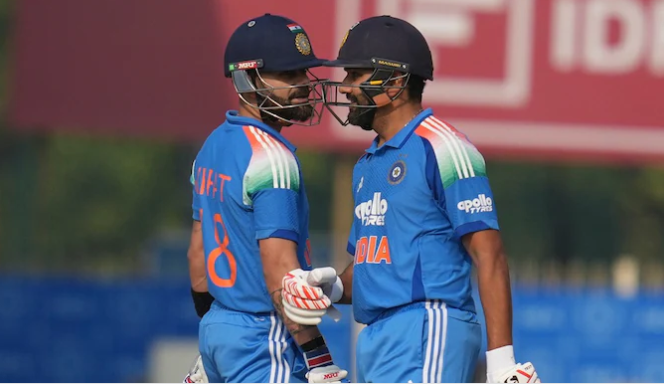
ODI World cup 2027
The 14th edition of the ICC Men’s ODI World Cup will be held in October and November 2027, jointly hosted by South Africa, Zimbabwe, and Namibia.
A total of 14 teams will participate in this tournament, which—much like the 2023 edition—will feature two groups followed by a ‘Super Six’ stage. Australia is the defending champion of the ODI World Cup.
South Africa and Zimbabwe have already qualified by virtue of being the host nations.
The Indian team’s objective will be to avenge the crushing defeat suffered in 2023, and they will be determined to emerge as champions this time around at all costs. Furthermore, Coach Gautam Gambhir will also need to prioritize guiding the team to championship titles in both the ODI and Test formats.
The 2027 ODI World Cup is also expected to mark the final appearance of the team’s seasoned senior players—Rohit Sharma and Virat Kohli (the ‘Ro-Ko’ effect). Having potentially led the team to victory in this tournament, they may subsequently choose to retire from the One Day International format.
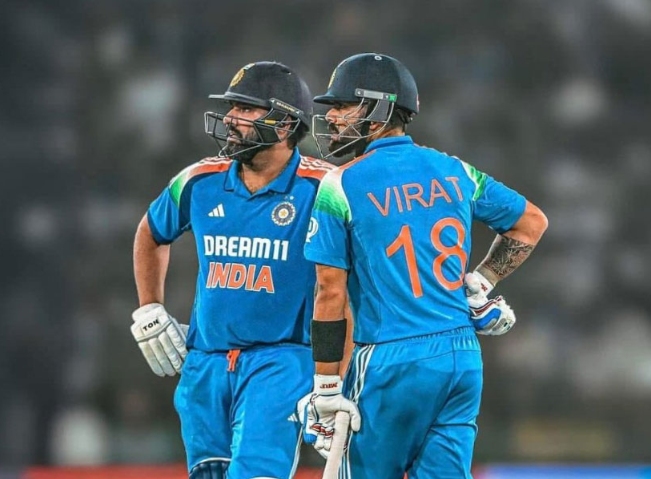
The Ro-Ko Effect Shakes ODI Cricket: India to Play Extra Matches
In fact, with an eye on preparations for the 2027 One Day World Cup to be held in South Africa, India aims to play as many 50-over matches as possible.
The recent defeat in the home ODI series against New Zealand has also exposed the team’s vulnerabilities.
The team management believes that young players require more match exposure to truly grasp the rhythm and nuances of the 50-over format.
Mutual Benefit: For the cricket boards of New Zealand, England, Ireland, and Sri Lanka, increasing the number of ODI matches also serves the objective of generating financial revenue.
Rohit and Kohli are currently in the twilight phase of their careers; consequently, their fans across the globe do not want to miss a single opportunity to watch them play in the ‘Blue Jersey.’
If a greater number of One Day matches are played, the host cricket board stands to gain significant financial benefits as well.
Virat Kohli Stats
| Test | ODI | T20 |
| 123 matches | 311 | 125 |
| 210 Innings | 299 | 117 |
| 9230 Runs | 14797 | 4188 |
| 254* Highest | 183 | 122 |
| 46.85 Avg. | 58.72 | 48.70 |
| 55.85 SR. | 93.82 | 137.04 |
| 100s- 30 | 54 | 1 |
| 50s-31 | 77 | 38 |
| 4s-1027 | 1376 | 369 |
| 6s-30 | 168 | 124 |
Rohit Sharma Stats
| Test | ODI | T20 |
| 67 matches | 282 | 159 |
| 116 Innings | 274 | 151 |
| 4302 Runs | 11577 | 4231 |
| 212 Highest | 264 | 121 |
| 40.58 Avg. | 48.85 | 32.05 |
| 57.07 Strike Rate | 92.75 | 140.89 |
| 100s-12 | 33 | 5 |
| 50s-8 | 61 | 32 |
| 4s-473 | 1090 | 383 |
| 6s-88 | 357 | 205 |
What is the ‘Ro-Ko Effect’ in Indian cricket?
The ‘Ro-Ko Effect’ refers to the impact of star players Rohit Sharma and Virat Kohli on India’s cricket schedule. Their popularity, performance, and fan demand often influence broadcasters and boards to schedule more high-profile matches, especially in ODI cricket.
Why are ODIs still important for India?
ODI cricket remains crucial because of global tournaments like the ICC Cricket World Cup and the ICC Champions Trophy, where teams must maintain strong squads and consistent match practice.
How does India’s ODI schedule affect other formats?
A packed ODI schedule can impact player workload and may lead to squad rotation in formats like Test cricket and T20 Internationals.